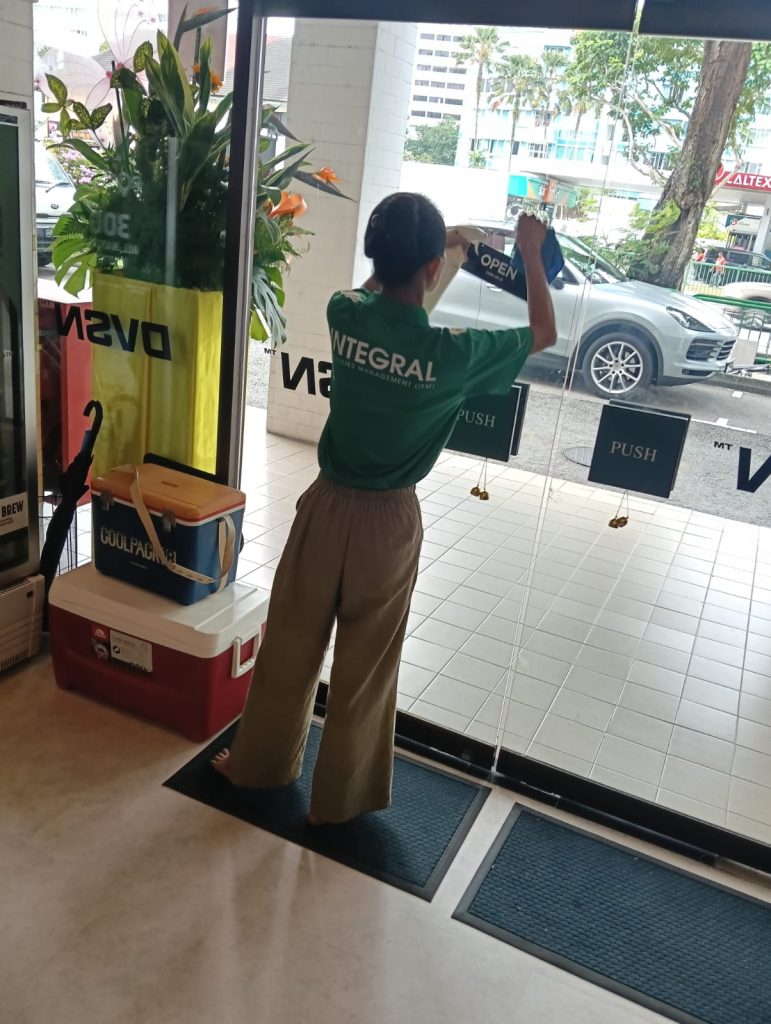
Maintaining cleanliness and hygiene in commercial buildings is essential for protecting occupants, improving workplace productivity, and meeting health and safety expectations.
The question is, preventive vs reactive maintenance: which is better for commercial buildings?
These two are common approaches in facility management. Understanding the difference between them helps businesses choose a maintenance strategy that keeps their buildings clean, safe, and efficient.
Preventive vs Reactive Maintenance: Which Is Better?
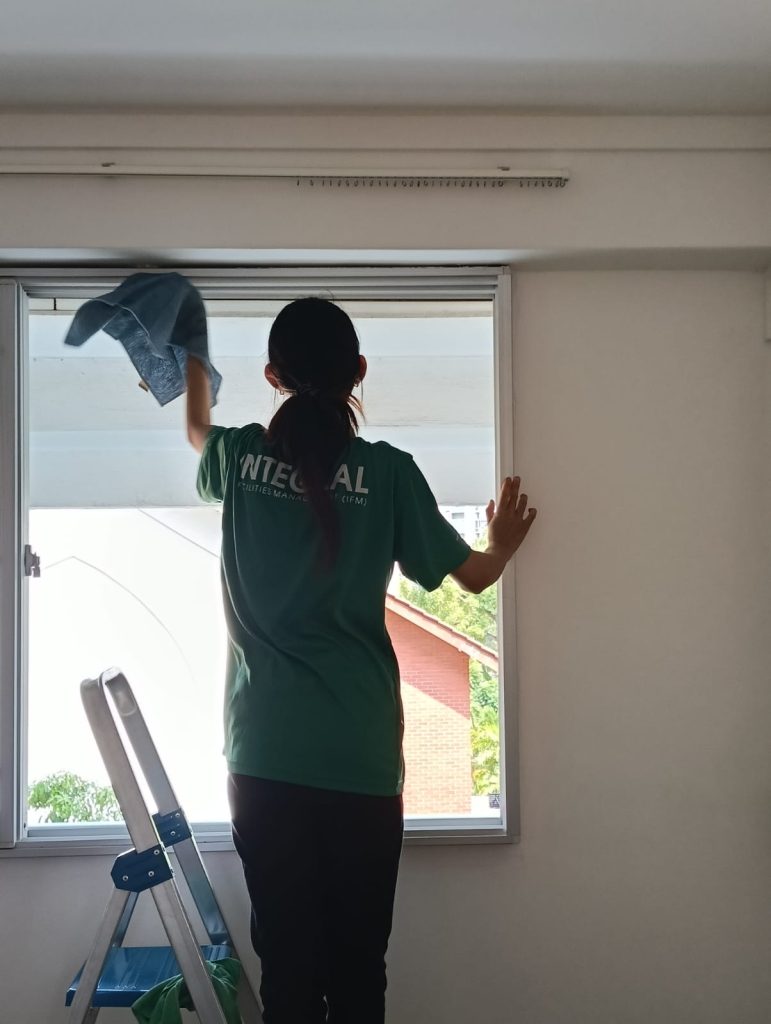
Choosing between preventive and reactive maintenance is important for keeping buildings clean, safe, and well-maintained.
What Is Preventive Maintenance?
Preventive maintenance is a planned approach in which cleaning, inspections, repairs, and servicing are carried out regularly before equipment failures or hygiene problems occur.
Instead of waiting for a problem to appear, building managers schedule routine activities to maintain cleanliness and performance.
In terms of hygiene, preventive maintenance may include
· Regular deep cleaning of high-touch surfaces
· Carpet and upholstery cleaning
· Routine inspection of washrooms
· Scheduled air-conditioning servicing
· Regular checks of drainage systems
Singapore’s tropical climate creates conditions where moisture, mould, and bacteria can develop quickly if buildings are not properly maintained.
Preventive cleaning and facilities maintenance help address these challenges before they affect occupants.
What Is Reactive Maintenance?
Reactive maintenance involves responding to problems only after they happen.
For example, a building manager may arrange cleaning after a washroom develops a strong odor or remove mould after it becomes visible.
Other examples of reactive maintenance include
· Addressing complaints about dirty or unhygienic areas
· Emergency cleaning after spills or accidents
· Pest removal after an infestation is discovered
While reactive maintenance is sometimes necessary, relying on it as the main approach can create higher costs and greater disruption.
Hygiene problems are often easier and cheaper to prevent than to correct.
Key Differences
1. Cost Management
Preventive maintenance is better despite the fact that it requires regular investment. Reactive maintenance may appear cheaper because services are only requested when needed.
However, unexpected repairs, business disruptions, and emergency cleaning costs can become significantly more expensive over time.
2. Hygiene and Health Protection
Preventive maintenance provides stronger hygiene control because cleaning activities are performed consistently.
This is especially important in commercial buildings where shared spaces can quickly accumulate germs due to heavy usage.
3. Building Appearance and Professional Image
A clean commercial building creates a positive impression. Regular preventive cleaning ensures that offices, retail spaces, and public facilities remain presentable every day.
Reactive cleaning often results in inconsistent standards because problems are addressed only after they become visible.
4. Compliance and safety
Businesses in Singapore must maintain clean and safe environments, especially in industries such as healthcare, food services, and hospitality.
Preventive maintenance supports compliance by ensuring hygiene procedures are followed regularly.
Reactive maintenance may result in rushed responses when problems occur, making it harder to maintain consistent standards.
Why Preventive Maintenance Is Better for Commercial Buildings
Preventive vs reactive maintenance: which is better for commercial buildings? Preventive maintenance is better for a lot of reasons.
It helps businesses maintain healthier indoor environments, improve workplace safety, reduce long-term costs, and support compliance standards.
That being said, reactive maintenance still has a role. Emergencies such as sudden spills, plumbing failures, or unexpected contamination require immediate action.
The most effective approach is a combination of preventive maintenance for regular upkeep and reactive maintenance for emergencies.
FAQ Preventive vs Reactive Maintenance
Why is preventive maintenance important?
Preventive maintenance helps prevent hygiene problems before they occur. Regular cleaning, inspections, and servicing reduce risks such as mould, bacteria buildup, unpleasant odours, and pest issues.
Is preventive maintenance more expensive?
Preventive maintenance requires regular spending, but it often reduces overall costs by avoiding major repairs, emergency cleaning, and business disruptions.
Should businesses completely avoid reactive maintenance?
No. Reactive maintenance is still necessary for unexpected issues. However, relying only on reactive solutions can lead to poor hygiene standards and higher costs.
Conclusion
Preventive vs reactive maintenance: which is better for commercial buildings? Preventive maintenance is the better long-term approach for commercial buildings because it supports cleanliness, hygiene, safety, and cost control. That said, reactive maintenance remains necessary for emergencies.
Need assistance keeping your building spotless? At Integral Facilities Management, we offer a wide range of cleaning services, all with structured SOPs and checklists.
Our services include commercial & retail cleaning, office cleaning, post-renovation cleaning, and condo cleaning.
For inquiries, get in touch with us at Integral Facilities Management. Our office is located at 60 Paya Lebar Road #06-28 Paya Lebar Square, Singapore 409051.